Unlocking Guidance Through Tarot: A Beginner's Journey

Tarot cards have captivated the imagination of many, serving as a tool for introspection, guidance, and even entertainment. Whether you’re curious about your future, seeking clarity on a current situation, or simply drawn to the mystical allure of the cards, embarking on a tarot journey can be both enlightening and transformative. This blog post will guide you through the basics of tarot, helping you unlock its potential for personal insight and growth.
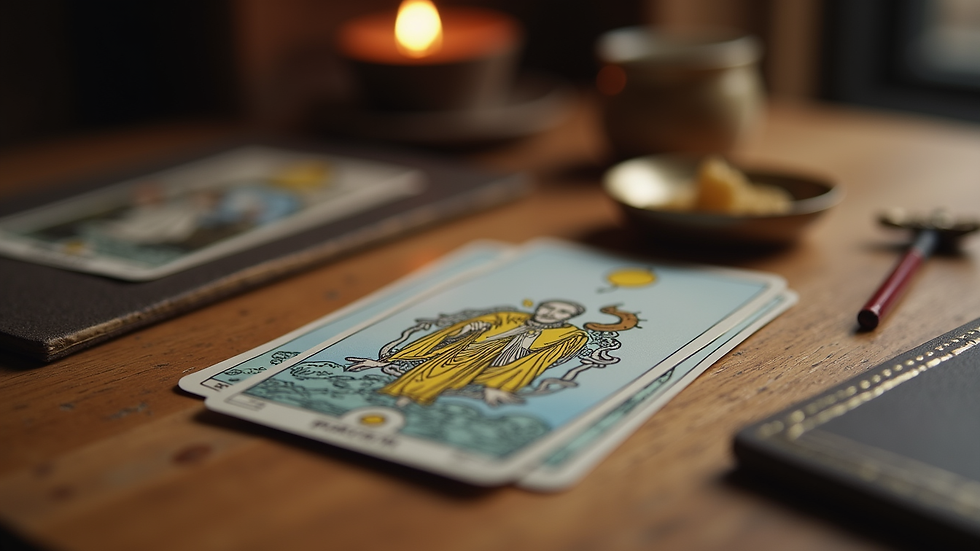
Understanding Tarot: What Is It?
At its core, tarot is a deck of 78 cards, each with its own imagery, symbolism, and story. The deck is divided into two main sections:
Major Arcana: Comprising 22 cards, these cards represent significant life events, spiritual lessons, and deep psychological themes. Examples include The Fool, The Magician, and The World.
Minor Arcana: This section consists of 56 cards divided into four suits: Cups, Pentacles, Swords, and Wands. Each suit reflects different aspects of life, such as emotions, material concerns, thoughts, and actions.
The imagery on tarot cards is rich and layered, often drawing from various cultural, historical, and spiritual traditions. This complexity allows for a wide range of interpretations, making tarot a versatile tool for self-reflection.
The History of Tarot
Tarot has a fascinating history that dates back to the 15th century in Europe. Initially, tarot cards were used for playing games rather than divination. It wasn't until the 18th century that tarot began to be associated with mysticism and fortune-telling.
The rise of interest in the occult during the 19th century led to the development of various tarot systems, including the Rider-Waite-Smith deck, which remains one of the most popular decks today. Understanding this history can deepen your appreciation for the cards and their meanings.
Getting Started with Tarot
Choosing Your Deck
When starting your tarot journey, the first step is selecting a deck that resonates with you. Here are some popular options:
Rider-Waite-Smith: Known for its accessible imagery and symbolism, this deck is ideal for beginners.
Thoth Tarot: Created by Aleister Crowley, this deck is rich in esoteric symbolism and may appeal to those interested in deeper spiritual themes.
Wild Unknown Tarot: This modern deck features beautiful illustrations and a more intuitive approach to readings.
Take your time to explore different decks, as the right one will feel like a natural extension of your intuition.
Learning the Meanings
Once you have your deck, familiarize yourself with the meanings of the cards. Here are some tips to help you learn:
Study the Imagery: Spend time looking at each card. What emotions does it evoke? What symbols stand out to you?
Use a Guidebook: Many decks come with a guidebook that explains the meanings of each card. This can be a helpful resource as you learn.
Practice Daily Draws: Pull a card each day and reflect on its meaning in the context of your life. This practice can deepen your understanding and connection to the cards.
Understanding Card Spreads
Card spreads are the layouts used during a tarot reading. Different spreads can provide varying insights based on the number of cards used and their positions. Here are a few common spreads:
Single Card Draw: A simple and effective way to gain insight into a specific question or situation.
Three-Card Spread: Often used to represent the past, present, and future, this spread provides a broader perspective.
Celtic Cross: A more complex spread that offers a comprehensive view of a situation, including challenges and potential outcomes.
Experiment with different spreads to find what works best for you.
Conducting Your First Reading
Setting the Mood
Creating a conducive environment for your tarot reading can enhance your experience. Consider the following:
Find a Quiet Space: Choose a location where you can focus without distractions.
Use Candles or Incense: Lighting a candle or burning incense can help set the mood and create a sacred space.
Ground Yourself: Take a few deep breaths and center yourself before beginning your reading.
Asking the Right Questions
The quality of your tarot reading often depends on the questions you ask. Here are some tips for formulating effective questions:
Be Specific: Instead of asking vague questions like "What will happen in my future?", try something more focused, such as "What should I focus on in my career right now?"
Stay Open-Ended: Avoid yes or no questions. Instead, ask questions that invite exploration and insight.
Interpreting the Cards
As you lay out your cards, take your time to interpret their meanings. Here are some strategies to help you:
Trust Your Intuition: While it's helpful to know the traditional meanings of the cards, your intuition plays a crucial role in interpretation. Pay attention to your gut feelings and insights.
Look for Patterns: Notice any recurring themes or symbols in your reading. These can provide deeper insights into your situation.
Reflect on the Reading: After interpreting the cards, take a moment to reflect on what they mean for you. Consider journaling your thoughts to track your progress over time.
Common Misconceptions About Tarot
Despite its growing popularity, several misconceptions about tarot persist. Here are a few to clarify:
Tarot is Not Fortune-Telling: While some people use tarot for predictive purposes, many view it as a tool for self-reflection and personal growth.
You Don’t Need to Be Psychic: Anyone can learn to read tarot cards. It’s about connecting with your intuition and understanding the symbolism of the cards.
Tarot is Not Evil: Many people associate tarot with negative connotations, but it is simply a tool for insight and guidance. It can be used in a positive and constructive way.
Deepening Your Tarot Practice
Joining a Community
Connecting with others who share your interest in tarot can enhance your learning experience. Consider joining local or online tarot groups where you can share insights, ask questions, and participate in discussions.
Continuing Education
As you become more comfortable with tarot, consider exploring advanced topics such as:
Astrology and Tarot: Understanding how astrological signs relate to tarot can deepen your readings.
Numerology: Each card has a number associated with it, and exploring numerology can add another layer of meaning to your readings.
Intuitive Reading: Developing your intuitive skills can enhance your ability to interpret the cards in a personal and meaningful way.
Keeping a Tarot Journal
Maintaining a tarot journal can be an invaluable tool for tracking your progress and insights. Here are some ideas for what to include:
Daily Draws: Record your daily card pulls and reflections.
Readings: Document your readings, including the questions asked and the interpretations.
Personal Growth: Reflect on how your tarot practice has influenced your life and personal development.
Conclusion
Embarking on a tarot journey can be a rewarding experience filled with self-discovery and insight. By understanding the basics, practicing regularly, and connecting with others, you can unlock the guidance that tarot offers. Remember, tarot is not just about predicting the future; it’s a powerful tool for understanding yourself and navigating life’s challenges. So grab your deck, ask your questions, and let the cards guide you on your journey of exploration and growth.
Comments